 İçeriğe atla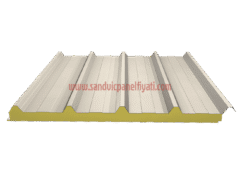
Sandviç Panel
45 yıllık kurumsal çatı tecrübemiz ile; sandviç panel fiyatlarında uygun, kalitede yüksek anlayışıyla çalışmaktayız. Satış, montaj ve tüm çatı malzemelerinin doğru adresindesiniz ! Güvenle tedarik gerçekleştirebilirsiniz.
Firmamız
Çatı Paneli ve Cephe Paneli Satış – Montaj konusunda uzmanlaşmış, proje bitirme sayısı ve referansı yüksek bir firmayız. 1979’da çatı malzemelerinin satışı işlerine başladık günümüzde devam etmekteyiz.
ÇATI KAPLAMA MALZEMELERİ

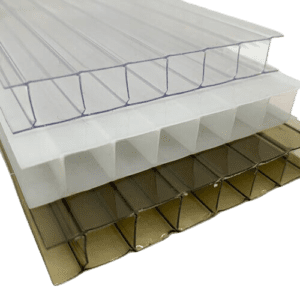

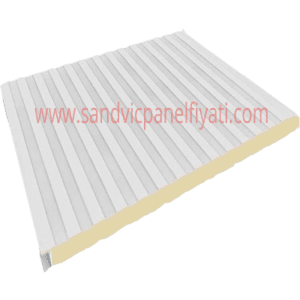
Sandviç Panel Fiyatları ve Kalitemiz İle İddaalıyız
Çatı ya da duvar / cephe için lazım olan izolasyonlu paneller için verdiğimiz panel fiyatları içinizi ferahlatacak. 45 yıllık çatı ve cephe konularında uzman firmamız hazır stoklarımızdan; depo / fabrika teslimi olarak, İstanbul - Kocaeli - Tekirdağ ve Edirne civarlarına sevkiyat sistemi çatı malzemelerini teslim etmekteyiz. Zeytinburnu ve İkitelli depolarımızda herzaman hazır stok çatı paneli ve cephe paneli mevcuttur.

Satış
Sandviç Panel Aksesuarları
Çatı paneli : Sandviç panel çatı - cephe sistemlerinde 1979'dan günümüze gelen tecrübe ve güven ile satış ve montajı gerçekleştirmekteyiz. Cephe - Duvar Paneli : Çatı ve cephe paneli olarak; taşyünü çatı cephe paneli, poliüretan ve diğer dolgu malzemeleri seçenekleriyle hizmetinizdeyiz. Panel aksesuarları: Çatı paneli ve cephe paneliyanında ihtiyaç duyulan aksesuarlar; çatı mahyası, panel vidası, köşe kaplama, oluk ve dere (özel büküm) firmamızda hazırda bulacaksınız.

Panel Çatı'da Neden Biz?
Fabrikadan Teslim Panel ve Çatı Ürünleri –
Osb levha ve kumlu membran tarzı çatı malzemeleri ile çatılarda kesin çözüm.
Hızlı Termin
Fabrika üretim programına göre olabildiğince hızlı sandviç panel üretimi yapmaya özen gösteriyoruz.
Sipariş Kabul
Sipariş onay sürecinde müşterilerimizle ortak karar alıp; sandviç panel çatı malzemelerinin şantiyeye teslimini hızlandırıyoruz.
Güvenli Firma
45 yıldır çatı sektörünün içinde olan firmamızdan ile gönül rahatlığıyla alışveriş yapabilirsiniz. Sandviç panel malzemesinin ilk uygulayıcılarındanız!
289 TL
Cephe Paneli
4cm RAL 9002 sandviç panel cephe malzemeleri fiyatılarımız piyasa koşullarına göre değişmektedir.
Firmamızın sunduğu çatı malzemelerini ve çeşitleri aşağıda detaylı bir şekilde sıraladık:
- Poliüretan Dolgulu Sandviç Paneller: Isı yalıtımı ve dayanıklılık amacıyla poliüretan dolgu kullanılan paneller.
- Taşyünü Dolgulu Sandviç Paneller: Termal yalıtım ve yangına karşı direnç sağlamak için taşyünü dolgu kullanılan paneller.
- Solar Panel Uyumlu Sandviç Paneller: Çatınızda güneş enerjisi üretimi için uygun olan sandviç paneller.
- PVC Paneller: PVC kaplama ile estetik ve dayanıklılık sunan paneller.
- Sandviç Panel Vidası: Panellerin montajında kullanılmak üzere özel olarak tasarlanmış vidalar.
- Sandviç Panel Mahyası: Çatı ve cephe kaplamalarının birleşim noktalarında su sızdırmazlık sağlayan mahya türleri.
- Panel Köşe Kaplamaları: Köşe alanlarında panellerin düzgün birleştirilmesini ve korunmasını sağlayan kaplama çeşitleri.
Satışta Bulunan Diğer Ürünler:
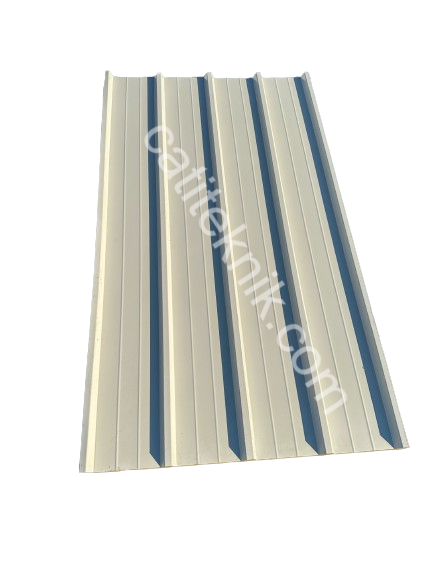
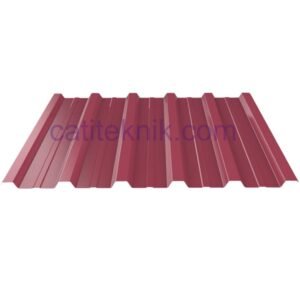
- Trapez Sac: Çatı ve cephe kaplamalarında sıklıkla tercih edilen dayanıklı sac malzemesi.
- Tekkat Panel: Cephe kaplamaları ve iç mekan dekorasyonunda kullanılan, estetik görünümü ön planda olan dekoratif paneller.
Bu çeşitli ürünlerimiz, inşaat projeleri ve farklı endüstriyel uygulamalar için geniş bir kullanım alanı sağlar. İhtiyaçlarınıza uygun sandviç paneller ve diğer materyalleri seçmek için bizimle iletişime geçin.
Sandviç Panelin Tanımı ve Önemi Nedir?
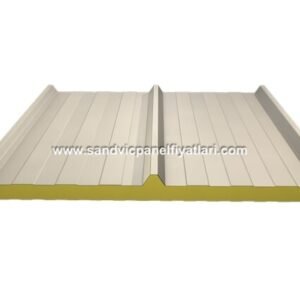
Paneller, iç ve dış yüzeyler ile aralarında bir çekirdek malzemesi bulunan üç katmanlı bir yapıdır. Bu yapı, izolasyon sağlar ve dayanıklılığı artırır. Çatı panelleri, inşaat sektöründe dış cephe-duvar malzemesi veya çatı kaplaması olarak kullanılır. Özellikle 4cm Poliüretan Sandviç Panel Çatılar, yüksek performanslı termal izolasyonlar dikkat çeker.
Sandviç Panelin Faydaları
- Üstün İzolasyon Kapasitesi: Sandviç panel, poliüretan veya diğer izolasyon materyalleri ile doludur ve sıcaklık düzenlemesini geliştirir, enerji tasarrufu elde eder.
- Hafif ve Sağlam: Hafifliği sayesinde inşaat giderlerini azaltırken, uzun süreli dayanıklılık sunar.
- Çoklu Kullanım Alanları: Sandviç paneller, çatılar, dış duvarlar ve soğuk hava depoları gibi birçok yerde kullanılır.
Sandviç Panel Çatı ve Dış Duvar Malzemeleri
Sandviç paneller, inşaat sektöründe yaygın olarak kullanılan ve birçok faydası olan bir üründür. Özellikle çatı ve dış duvar malzemeleri olarak tercih edildiğinde, hem estetik bir görüntü oluşturur hem de yüksek kaliteli izolasyon özellikleri sunar.
Sandviç panellerin en belirgin faydalarından biri üstün izolasyon kapasitesidir. Poliüretan veya diğer izolasyon materyalleri ile dolu paneller, sıcaklık düzenlemesini geliştirir ve enerji tasarrufu elde eder. Bu durum, binaların ısı kaybını en aza indirir ve enerji giderlerini düşürür.
Ayrıca, sandviç panellerin hafif ve sağlam yapısı da göz alıcıdır. Bu nitelikleri sayesinde, inşaat giderlerini azaltırken uzun vadeli bir çözüm sunar. Panellerin hafifliği, nakliye ve montaj süreçlerini basitleştirirken, sağlamlığı da uzun süreli kullanımını mümkün kılar.
Sandviç panellerin çeşitli kullanım alanları mevcuttur. Özellikle çatılar, dış duvarlar ve soğuk hava depoları gibi yerlerde sıkça kullanılırlar. Çünkü bu paneller, hem estetik bir görüntü oluşturur hem de yüksek performanslı izolasyon özellikleriyle mevsimsel değişimlere karşı koruma sağlar.
Sonuç olarak, sandviç paneller inşaat sektöründe önemli bir konuma sahiptir. Yüksek izolasyon performansı, hafif ve sağlam yapısı ile birçok fayda sağlar. Çatı ve dış duvar malzemeleri olarak kullanıldığında, binalara hem estetik bir görünüm kazandırır.
Firmamızın, sandviç panel satışı, montajı ve işçiliği konusunda tercih edilmesini uzmanlığımıza bağlamaktayız. Sadece kaliteli ürünler sunmakla kalmayıp aynı zamanda deneyimli ekibimizle de hizmet veriyoruz. Müşterilerimize, ihtiyaçlarına uygun olarak üretilen panel çeşitlerinde panel uygulama hizmetide sunuyoruz. Binanızın enerji verimliliğini yükseltmek ve çevre dostu bir seçim yapmak için bize güvenebilirsiniz.
Endüstriyel yapılarda, bina sahiplerinin çatı ve dış cephe kaplamaları için ideal bir seçimdir. Hem enerji tasarrufu sunarlar hem de uzun süreli dayanıklılıkları ile binalarınıza ek değer sağlarlar. Firmamız, bu üstün kaliteli malzemelerin satışı, kurulumu ve işçiliği konusunda size yardımcı olmayı memnuniyetle karşılar.
Daha fazla bilgi almak ve bizimle iletişime geçmek için web sitemizi ziyaret edebilirsiniz:
Sandviç Panel m2 Fiyatı: İdeal Çatı ve Duvar Kaplama Seçeneği
Panel sistemleri, inşaat sektöründe hem çatı hem de duvar kaplamaları için yaygın bir çözüm sunar. Bu yazıda, sandviç panel fiyatlarını ele alacak ve neden bu panellerin firmamız tarafından tercih edilmesi gerektiğini açıklayacağız. Sandviç çatı paneli gibi özel terimlerin ve ürünler olarak kullanılmaktadır.
Panel tercihinin özellikle ısı ve su yalıtımı yaparak, yüksek çatılarda ısı yalıtımı sağlamak üzere özel olarak tasarlanmıştır. Bu paneller, poliüretan yalıtım malzemesi ile kaplı ve her iki tarafı sac ile kaplanmıştır. Sandviç panel çatıların m2 fiyatı, uygun maliyetleri nedeniyle popüler bir çatı kaplama seçeneğidir.
Çatı panel teknik özelliklerine sahip sandviç panel çatılar, oldukça ileri düzeydedirler. Cephe paneli, üst mahya ve gizli vidalı montajları ile estetik görünümleri de onları cazip kılar. Bunun yanı sıra, bu panellerin ısı yalıtımına yönelik özel üretimleri, enerji tasarrufuna yardımcı olur ve yüksek çatılar için ideal bir ısı yalıtım çözümü sunar.
Sandviç panel çatıların belirgin özelliklerinden biri, izocam tekiz marka stok ürünlerinde 4 cm poliüretan dolgu ve 40kg/m3 yoğunlukta poliüretan kullanılmasıdır. Bu nitelikler, çatı eğiminin 7 dereceden fazla olduğu durumlarda tercih sebebi olur.
Sandviç çatılar, uygun maliyetleri, üstün ısı yalıtımı nitelikleri ve teknik özellikleri ile çatı kaplama gereksinimlerinizi karşılamak için harika bir alternatiftir.
Sandviç Panel Fiyatlarını Belirleyen Unsurlar
Sandviç panel fiyatlarını anlamlandırmak için bazı temel unsurları dikkate almalısınız. İşte bu fiyatları belirleyen ana unsurlar:
- Panel Boyutları ve Kalınlığı: Sandviç panellerin çeşitli boyut ve kalınlıkları bulunmaktadır. Genelde daha büyük ve kalın paneller daha yüksek maliyetlidir.
- Malzeme Tercihi: Panellerin iç dolgu malzemesi genellikle poliüretan veya taşyünü gibi çeşitli malzemelerden oluşur. Malzeme tercihi fiyatları belirler.
- Renk ve Kaplama Alternatifleri: Panellerin renk ve kaplama alternatifleri de fiyatlarını belirler. Özel renkler veya kaplamalar ekstra maliyetlere yol açabilir.
- Sipariş Adedi: Genellikle daha büyük adetlerde sipariş vermek, birim fiyatları azaltabilir.
Ekonomik Çatı Panelleri: Tasarruf Sağlayan Çözüm
Sandviç paneller, uygun fiyatlarıyla öne çıkar. Kaliteli bir çatı veya duvar kaplaması sunarken, aynı zamanda uzun vadeli tasarruf sağlarlar. Az enerji tüketimi ve kolay montajları, işçilik maliyetlerini düşürebilir.
Sandviç Panel Fiyatları Nasıl Karşılaştırılır?
Farklı sağlayıcılardan veya üreticilerden sandviç panel fiyatlarını karşılaştırmak önemlidir. Karşılaştırma yaparken aşağıdaki hususları dikkate alın:
- Kalite ve Dayanıklılık: Daha uygun fiyatlar bazen kalite ve dayanıklılıkta taviz verilmesi gerektiği anlamına gelebilir. Yüksek kaliteli paneller uzun dönemli bir yatırımı ifade edebilir.
- Ekstra Hizmetler: Bazı sağlayıcılar, montaj, nakliye veya danışmanlık gibi ek hizmetler sunabilir. Bu hizmetlerin maliyetleri de dikkate alınmalıdır.
- Referanslar ve Değerlendirmeler: Diğer müşterilerin deneyimlerini gözden geçirerek güvenilir firmamızı seçtiğiniz için minnettarız.
Sandviç paneller, çeşitli avantajlarıyla öne çıkmaktadır. İlk olarak, uygun fiyatları sayesinde bütçenizi sarsmadan kaliteli bir çatı veya duvar kaplaması elde edersiniz. Bu, hem estetik bir görünüm kazanmanızı hem de yapınıza dayanıklılık eklemenizi sağlar.
Ayrıca, sandviç panellerin uzun vadede tasarruf sağladığını hatırlamak önemlidir. Yüksek enerji verimliliği ile enerji tüketimini azaltır ve bu da elektrik faturalarınızı düşürür.
Ayrıca, sandviç panellerin kolay montajı işçilik maliyetlerini düşürür. Hızlı ve pratik bir şekilde uygulanabilen bu paneller, zaman kaybını engeller ve projenin süresini kısaltır. Ek olarak, montaj sürecinde ek işçilik veya ekipman ihtiyacı olmadığından ek maliyetlerden de kaçınırsınız.
Sandviç panel fiyatlarına bakarken belirli hususlara dikkat etmek gereklidir. İlk olarak, düşük maliyetler bazen kalite ve dayanıklılıkta taviz verilmesi anlamına gelebilir. Bu yüzden, düşük fiyatlı panellerin kalitesini ve dayanıklılığını kontrol etmek önemlidir. Eğer uzun süreli bir yatırım yapmayı düşünüyorsanız, kaliteli panelleri seçmeniz gereklidir.
Ek olarak, sandviç panel sağlayıcılarının ekstra hizmetlerini de göz önünde bulundurmanız önemlidir. Montaj, nakliye veya danışmanlık gibi ek hizmetler sunan sağlayıcılar, projenizin tamamlanmasında size destek olabilir.